This bit of commentary was motivated by my eating of really spicy food in the middle of this very warm day in the hottest room in the house, all of which adds up to a bit of light perspiration even when one is sitting still. And then I realized that the spicy food and the perspiration actually ended up cooling me off, and I began to think of other cultures who live in hot climates, and how they live (and often eat spicy foods), and why we all sweat, and why we didn't used to work in mid-day, and all sorts of things, including how our western "advances" just might not be...
Until modern times, people in very hot climates around the world lived without electric air conditioning units or systems (many or most still do). For the most part, there was no choice in the matter, but our modern, particularly western, and maybe more particularly, American, way of hot weather living is now mostly geared to and centered around air conditioning.
When it's hot, we wake in air-conditioned bedrooms. Most often, when we leave the house, we step directly into an air conditioned car. When we leave the car, we walk straight into air conditioned buildings, and when we return home, we do this in reverse. And if any of the air conditioners in this routine happen to go out, we are miserable. Why? Maybe because we are battling nature, and when our tactics (in this case our A/C's) fail, we lose.
Ever notice that 75 degrees in very early spring can feel almost too warm, but when temperatures start dropping back down toward 70 degrees in the fall, we're just about chilly enough to pull out the sweaters? I read once that it takes the body two weeks to totally adjust if it goes directly from cool to hot temperatures. For those two weeks, the hot temperatures will feel hotter than they will when we finally physiologically adapt. But if we follow nature, there's a thing called spring that usually eases us into hotter temperatures, and physiological changes happen more gradually, more comfortably, and more naturally.
When we move continually from air conditioned environment to air conditioned environment, though, how is our body supposed to adapt? Is it possible that we're not allowing nature to take its course, and so we never allow our bodies to make the adjustment that would ease the effects of heat? Are we maybe more miserable than we need to be in the heat because we've tried to outsmart it? Might this be poetic justice? (I'm kidding.)
The same need to allow time for the body to adjust is true when we encounter large changes in altitude, as high altitude mountain climbers know well. To disregard nature's timetable in making physiological adjustments, in their case, would mean death. It's wise, and healthy, to work with nature.
But we were talking about heat, weren't we?
Nowadays, people don't often think about planting trees to shade a window in summer and, conversely, to allow light in the winter. Why should they? We have air conditioners! Not many people consider the things that used to be done, guided by common sense, to keep their homes from getting unbearably hot in summer (and I think "unbearably" used to mean something different than it does nowadays). Without even thinking about it, we tend to count on our air conditioners, and I think this can sometimes be to our detriment.
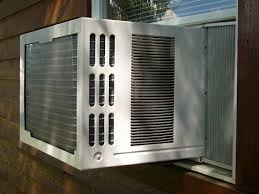
I'm not saying I'm 100% opposed to air conditioning. There won't be an air conditioner in my apartment when I move, but here at our house, I have a little window air conditioner that I sometimes turn on when the temperature reaches the upper 90's or when company is here. In recent years, I've tried not to use it, but most people aren't accompanied to sweating it out, and I don't intend to train them, so I turn it on for company without making a to-do about it.
It feels nice to walk into an air conditioned place straight off a hot sidewalk, and there are good-- even life-saving-- reasons for certain people to keep their air conditioners running, so I'm certainly on no crusade against them!


.jpg)


